- -10%



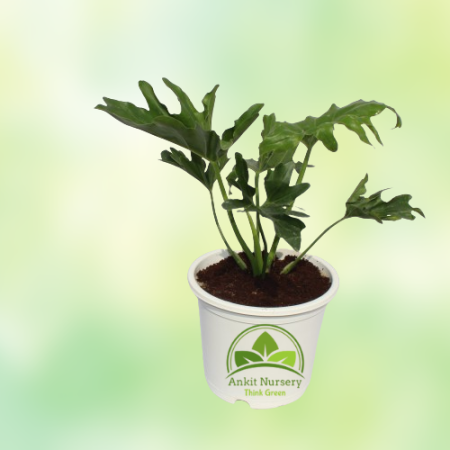
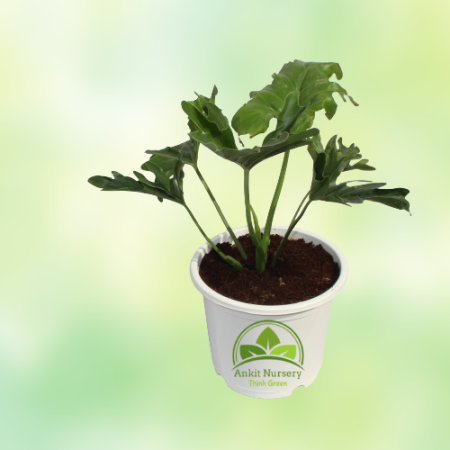
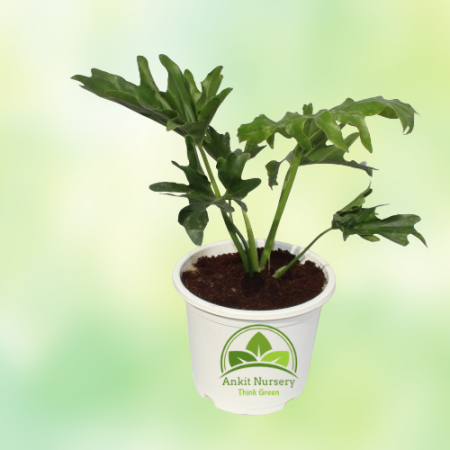
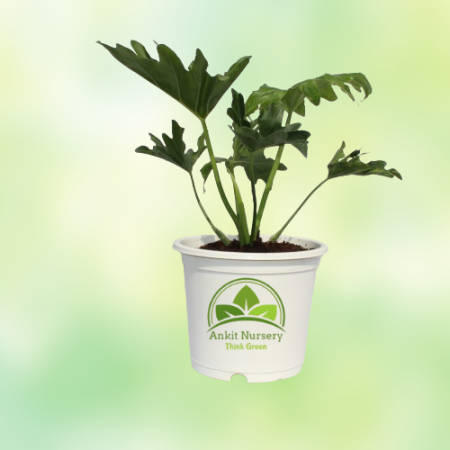
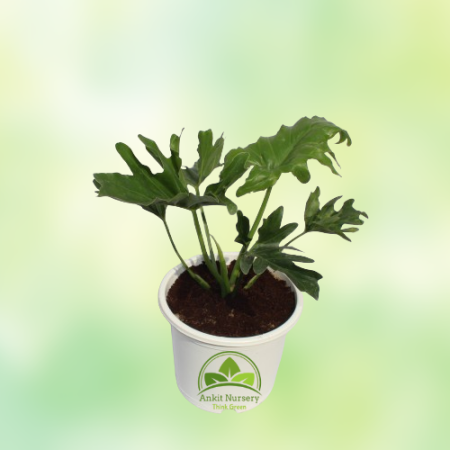
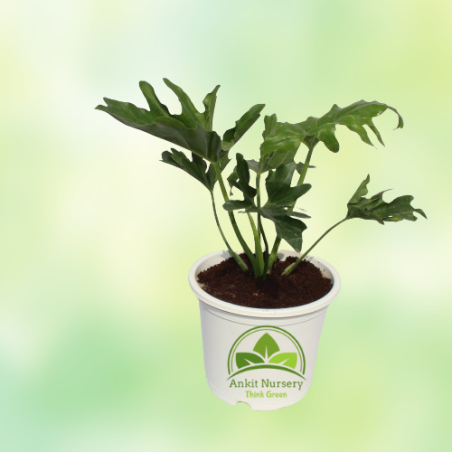
Philodendron xanadu is indeed a delightful cultivar known for its lush and tropical appearance. Philodendron xanadu is characterized by its large, deeply lobed, glossy green leaves that radiate from a central point. The foliage forms a dense, compact clump, creating a lush and tropical look. Philodendron xanadu typically grows to a moderate size, reaching heights of around 2 to 4 feet and a similar spread. It's a great choice for indoor spaces or as a landscaping plant in mild climates.
Philodendron xanadu thrives in bright, indirect light. While it can tolerate lower light conditions, it may grow more slowly and produce fewer leaves. Avoid direct sunlight, as it can scorch the leaves.
Keep the soil consistently moist but not waterlogged. Water the plant when the top inch of soil feels dry to the touch, and allow any excess water to drain away. Overwatering can lead to root rot, so it's essential to ensure proper drainage.
Philodendron xanadu prefers temperatures between 65-80°F (18-27°C) and moderate to high humidity levels. It can tolerate average indoor humidity but may benefit from occasional misting or placement near a humidifier, especially in dry indoor environments.
Use a well-draining potting mix rich in organic matter, such as peat moss or compost. A mix formulated for houseplants or tropical plants works well for Philodendron xanadu.
Feed your Philodendron xanadu with a balanced liquid fertilizer diluted to half strength every 4-6 weeks during the growing season (spring and summer). Reduce fertilization in fall and winter when growth slows. Philodendron xanadu can be propagated from stem cuttings. Take a cutting with several nodes, remove the lower leaves, and place it in a pot with moist potting mix. Keep the soil consistently moist until roots develop.
Prune Philodendron xanadu plants to control their size and shape and remove any dead or yellowing leaves. Regular pruning can help maintain a tidy appearance and encourage bushier growth.
Philodendron xanadu contains calcium oxalate crystals, which can be toxic if ingested. Keep it out of reach of children and pets, and wash your hands after handling the plant to avoid skin irritation. Philodendron xanadu is a stunning and relatively low-maintenance plant that can brighten up any indoor or outdoor space with its vibrant foliage. With proper care, it can thrive and bring joy for many years.
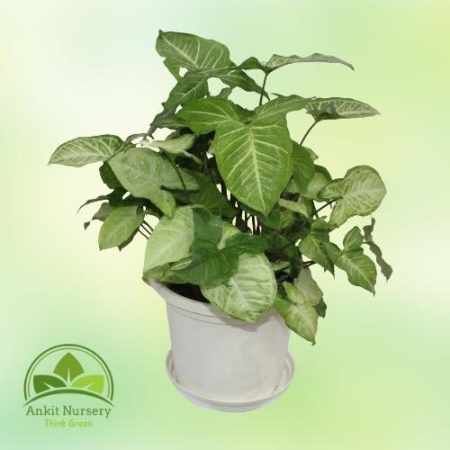
Syngonium podophyllum, commonly known as Syngonium or Arrowhead Vine, is a popular indoor...
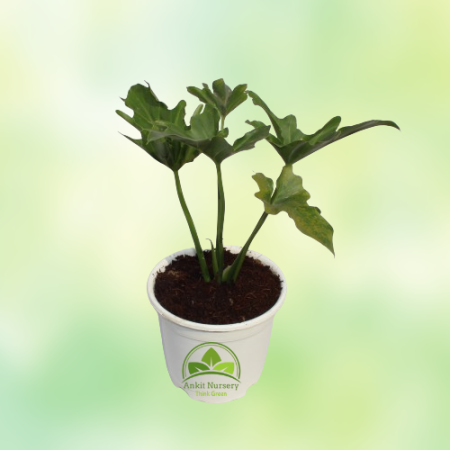
Philodendron xanadu Seelam Plant is indeed a delightful cultivar known for its lush and...
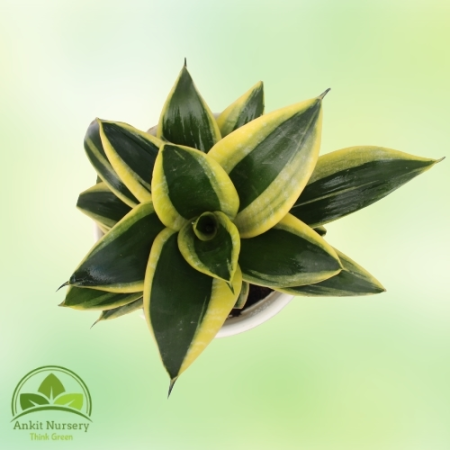
Sansevieria, is a popular and compact variety of the larger Snake Plant species. It's called...
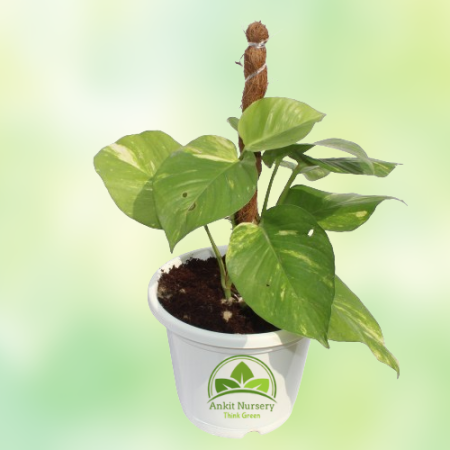
The Money Plant, also known as Pilea peperomioides, is a popular houseplant known for its...
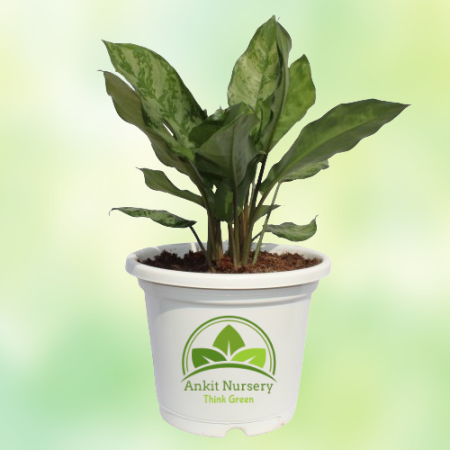
Aglaonema, commonly known as Chinese evergreen, is a popular houseplant appreciated for its...
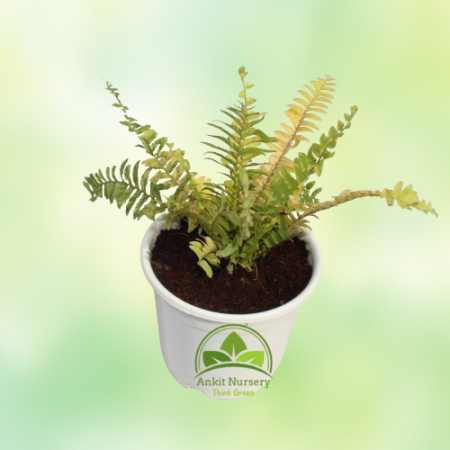
The term "Golden Fern Plant" isn't a specific botanical name, but it could refer to a few...
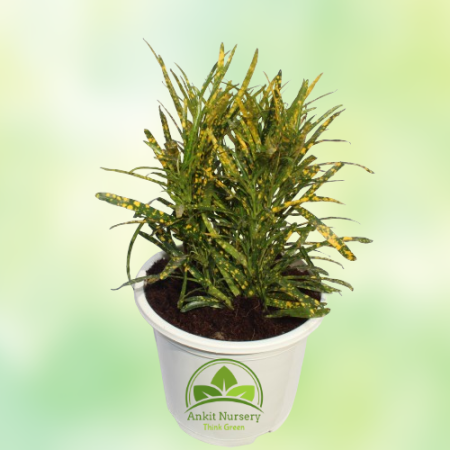
The Gold Dust Croton plant (Codiaeum variegatum 'Gold Dust') is a popular and colorful...
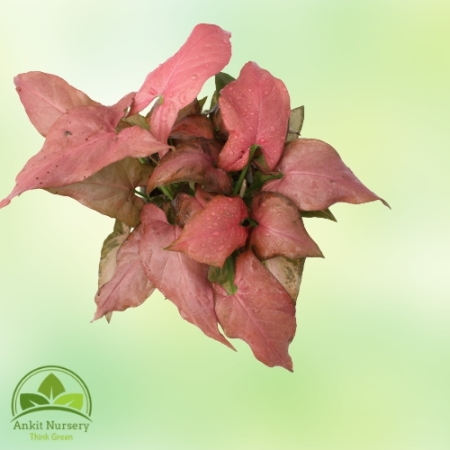
The term "Pink Syngonium" typically refers to a variety of Syngonium podophyllum, commonly...
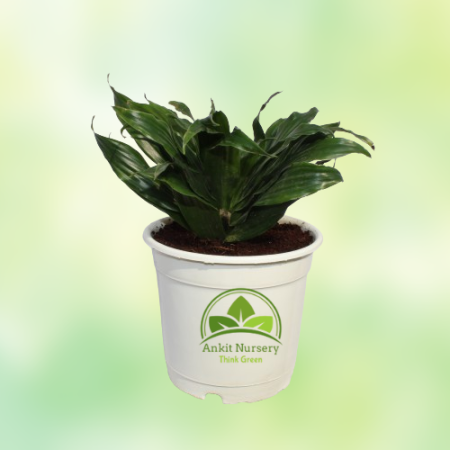
The Dracaena Compacta, also known as Dracaena deremensis 'Compacta' or Dwarf Dracaena, is a...
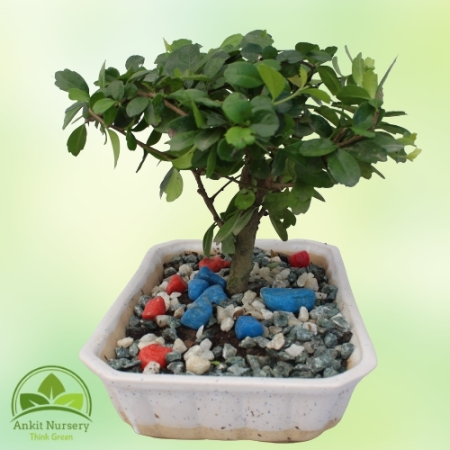
The Malpighia plant, commonly known as Barbados cherry, Acerola cherry, or West Indian cherry,...
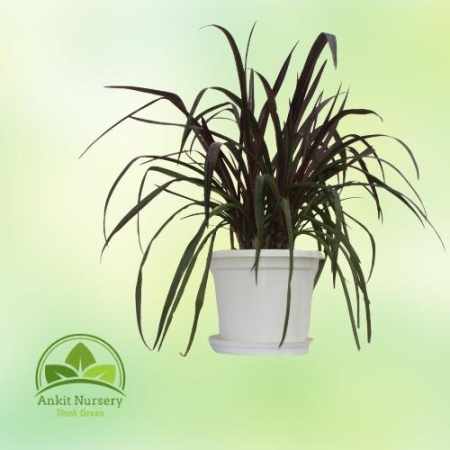
Red Sensation Cordyline, also known as Cordyline fruticosa 'Red Sensation' or Red Sensation...
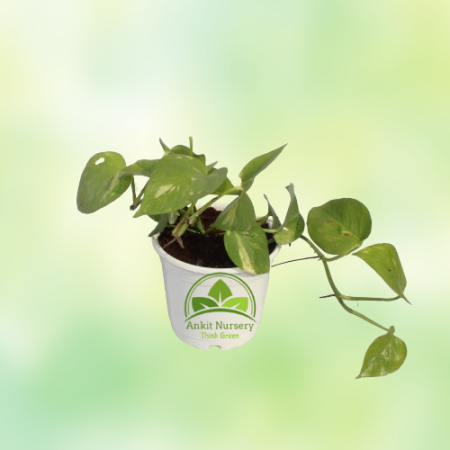
"Golden Money Plant" is a common name for several different plants, but it's often used to...
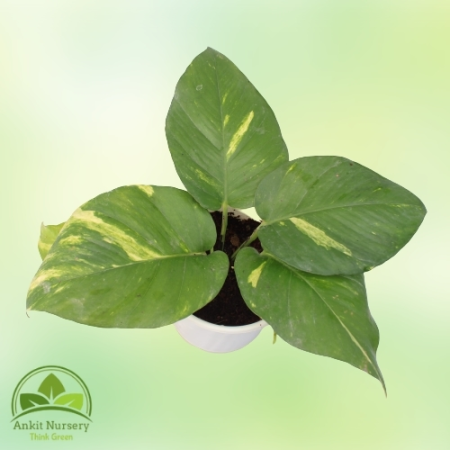
The money plant, also known as Devil's Ivy or Epipremnum aureum, is a popular indoor plant...
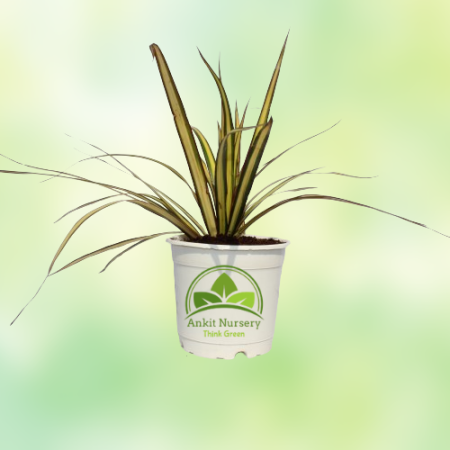
The Spider Plant (Chlorophytum comosum) is a popular and easy-to-grow houseplant known for its...
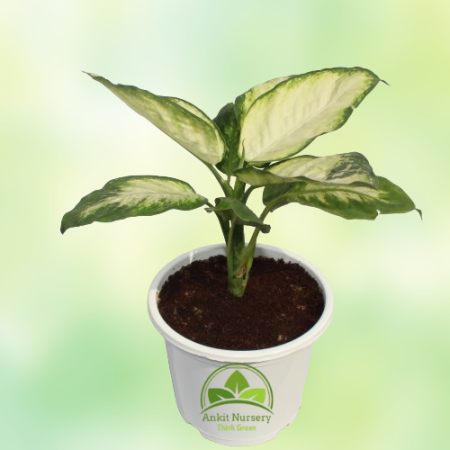
It appears you may be referring to the "Dieffenbachia" plant, often misspelled as...
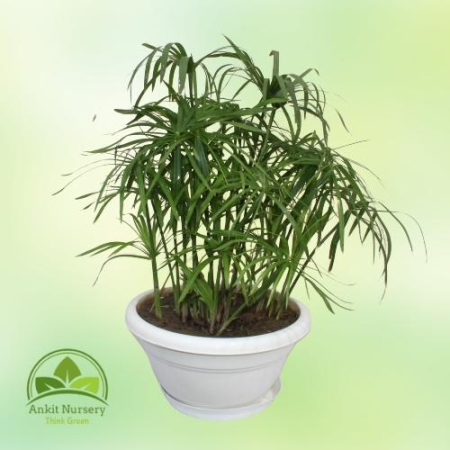
Cyperus alternifolius, commonly known as Umbrella Palm, is a popular plant species native to...
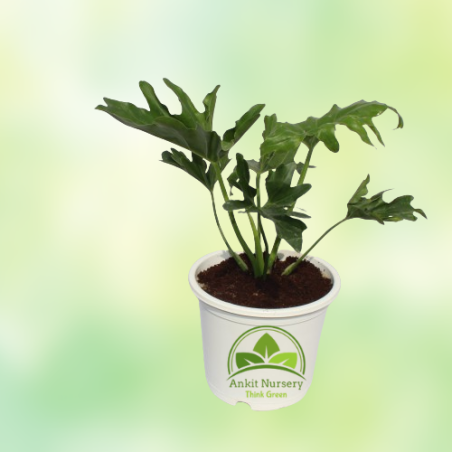
Philodendron xanadu is indeed a delightful cultivar known for its lush and tropical appearance. Philodendron xanadu is characterized by its large, deeply lobed, glossy green leaves that radiate from a central point. The foliage forms a dense, compact clump, creating a lush and tropical look. Philodendron xanadu typically grows to a moderate size, reaching heights of around 2 to 4 feet and a similar spread. It's a great choice for indoor spaces or as a landscaping plant in mild climates.
Philodendron xanadu thrives in bright, indirect light. While it can tolerate lower light conditions, it may grow more slowly and produce fewer leaves. Avoid direct sunlight, as it can scorch the leaves.