- -10%



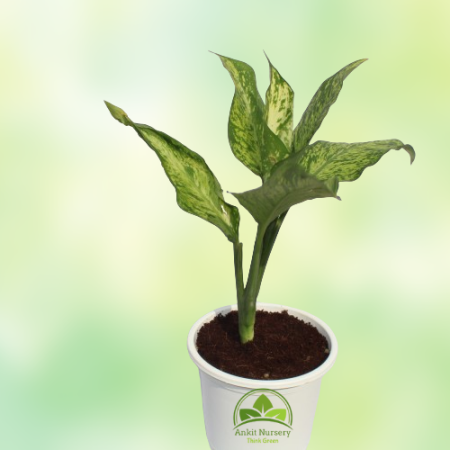
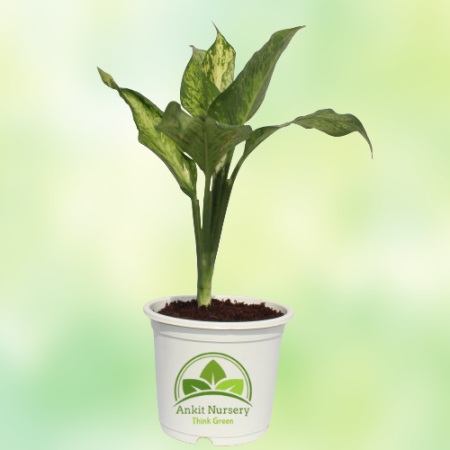
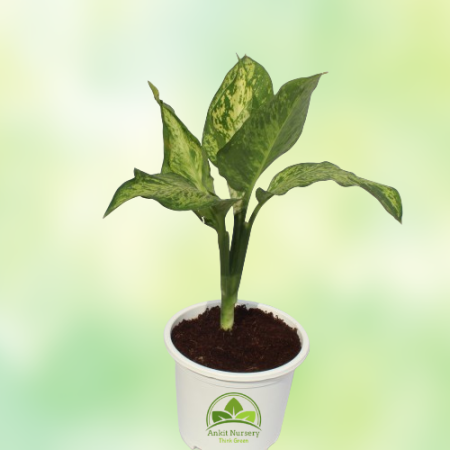
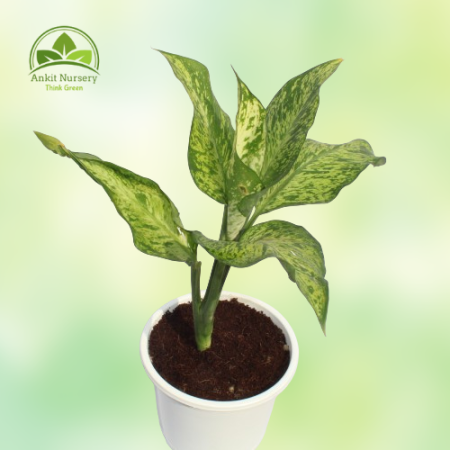
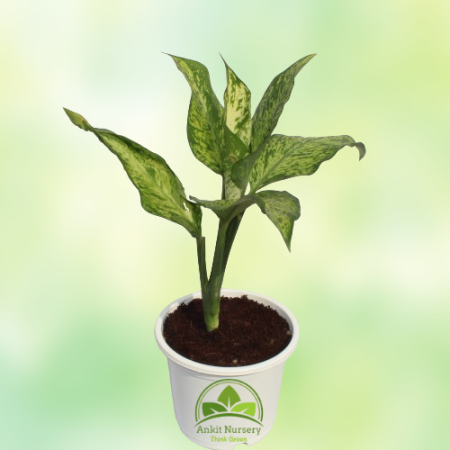
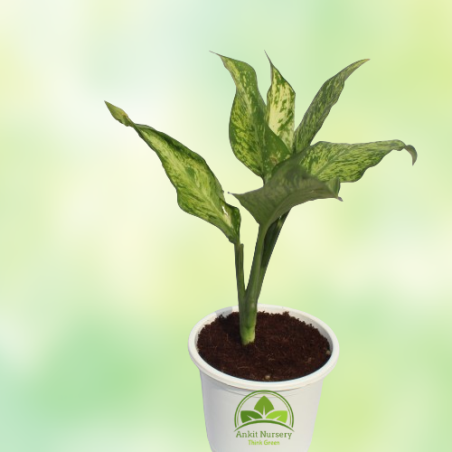
It appears you may be referring to the "Dieffenbachia" plant, often misspelled as "Dieffenbachia bachia." Dieffenbachia is a popular and attractive houseplant known for its lush foliage. Dieffenbachia prefers bright, indirect light but can tolerate lower light conditions. Avoid direct sunlight, as it can scorch the leaves.
Keep the soil consistently moist but not waterlogged. Water the plant when the top inch of soil feels dry to the touch, and allow any excess water to drain away. Avoid letting the soil dry out completely between waterings. Use well-draining potting soil. A mix formulated for houseplants or tropical plants works well. Ensure the pot has drainage holes to prevent water from accumulating at the roots.
Dieffenbachia prefers temperatures between 65-80°F (18-27°C). Protect it from cold drafts, as they can cause leaf damage. Dieffenbachia appreciates moderate to high humidity levels. You can increase humidity by misting the leaves regularly or placing a tray of water and pebbles near the plant. Feed your Dieffenbachia with a balanced liquid fertilizer diluted to half strength every 4-6 weeks during the growing season (spring and summer). Reduce or stop fertilization in fall and winter when growth slows down.
Prune your Dieffenbachia as needed to remove any dead or yellowing leaves and to maintain its shape. Wear gloves when pruning, as the sap can irritate the skin. Repot your Dieffenbachia every few years to refresh the soil and provide room for root growth. Choose a pot that is slightly larger than the current one, with drainage holes. Dieffenbachia plants are toxic if ingested, so keep them out of reach of children and pets. Wash your hands after handling the plant.
Place the plant near a window where it can receive filtered sunlight or artificial light. With proper care, your Dieffenbachia can thrive and add beauty to your indoor space. Enjoy its lush foliage and vibrant green leaves!
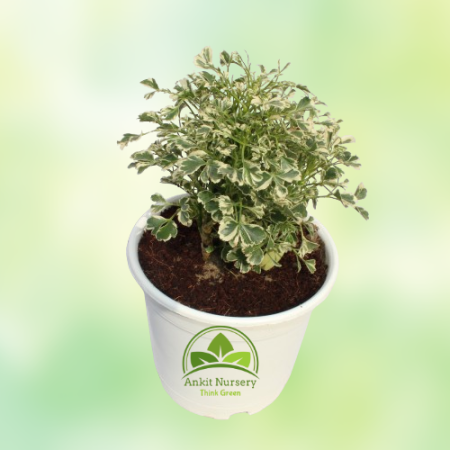
The Snowflake Aralia Plant, also known as Aralia or Parsley Aralia, is a tropical plant with...
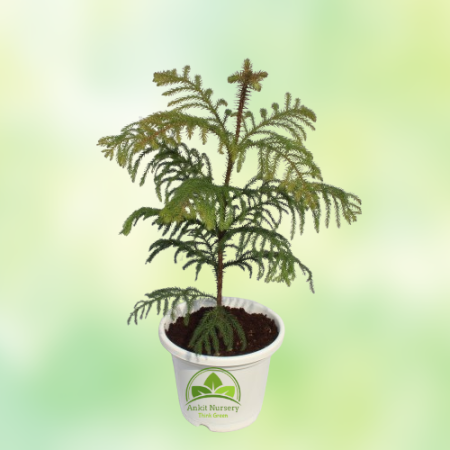
The Araucaria plant, also known as the Norfolk Island Pine or simply Araucaria, is a...
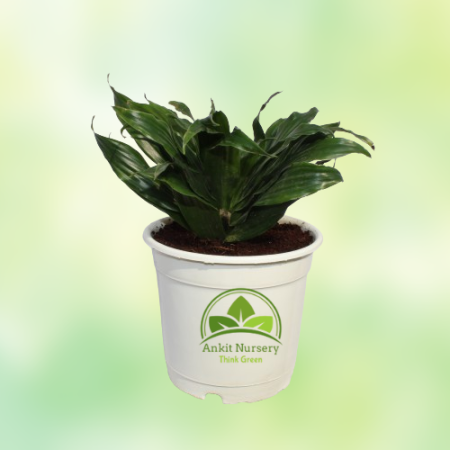
The Dracaena Compacta, also known as Dracaena deremensis 'Compacta' or Dwarf Dracaena, is a...
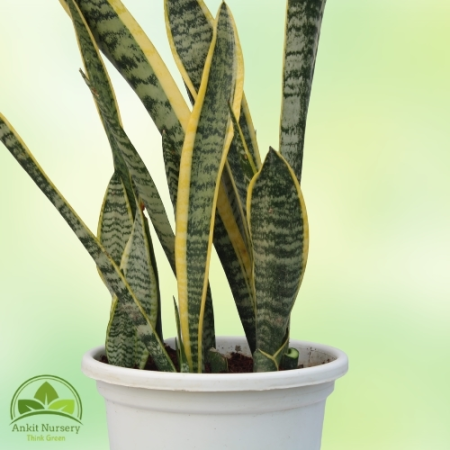
The Snake Plant, scientifically known as Sansevieria trifasciata (formerly classified under...
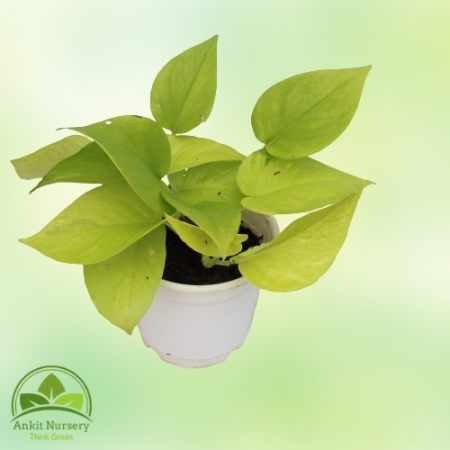
The golden money plant, also known as Epipremnum aureum or Devil's Ivy, is a popular...
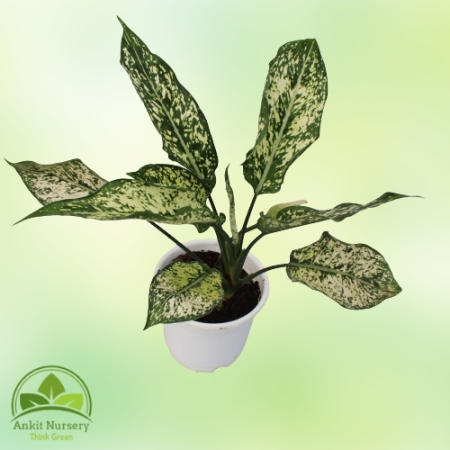
Aglaonema Snow White, also known as Aglaonema 'Snow White,' is a specific cultivar of the...
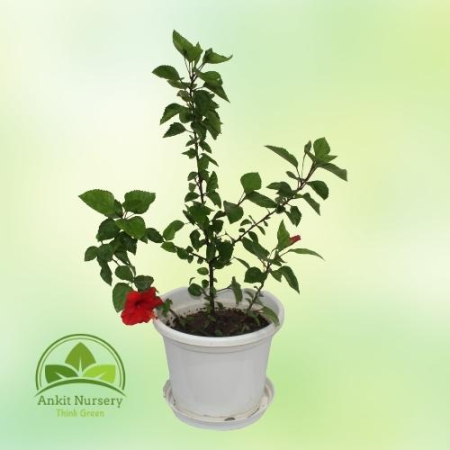
Hibiscus is a genus of flowering plants in the family Malvaceae, which is native to warm...
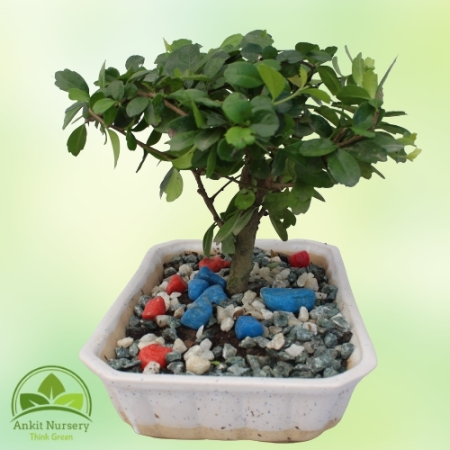
The Malpighia plant, commonly known as Barbados cherry, Acerola cherry, or West Indian cherry,...
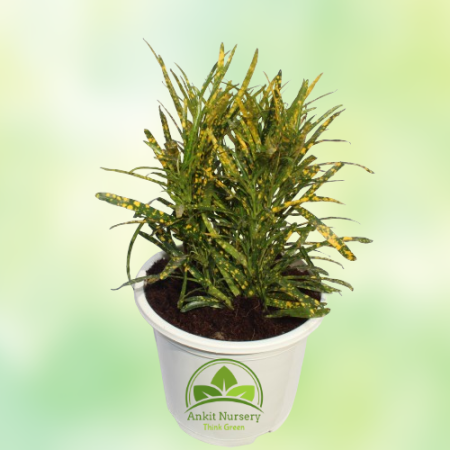
The Gold Dust Croton plant (Codiaeum variegatum 'Gold Dust') is a popular and colorful...
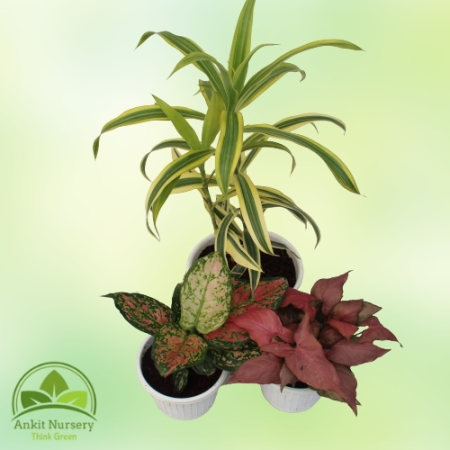
Indoor plants are a great way to bring nature into your home, purify the air, and enhance your...
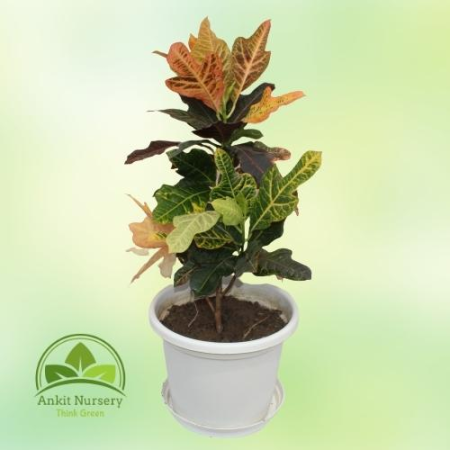
Croton Petra, also known as Codiaeum variegatum 'Petra,' is a popular cultivar of the Croton...
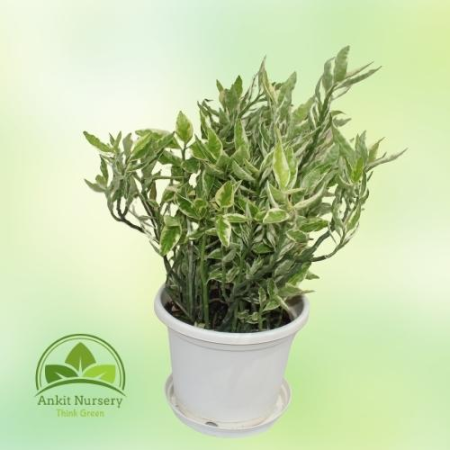
Pedilanthus tithymaloides, commonly known as Devil's Backbone or Redbird Cactus, is a...
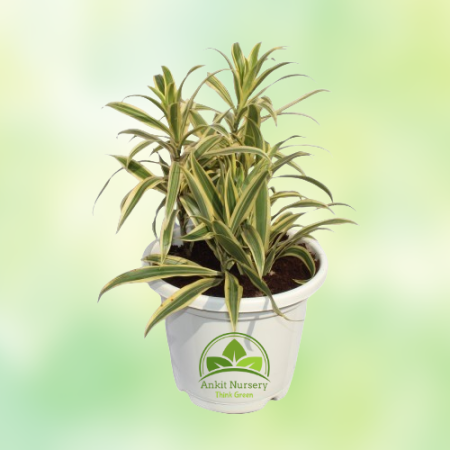
"Golden Song of India" is a common name for the Dracaena reflexa 'Variegata' plant, also known...
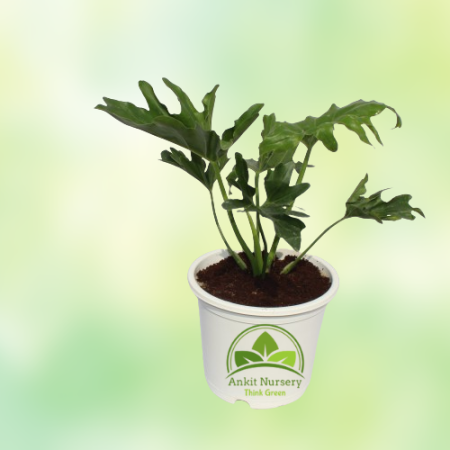
Philodendron xanadu is indeed a delightful cultivar known for its lush and tropical...
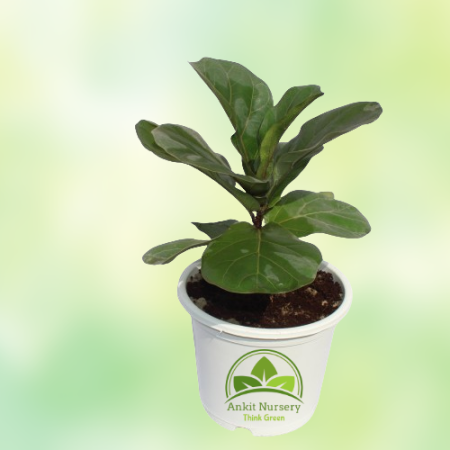
The Fiddle Leaf Fig (Ficus lyrata) is a popular and iconic houseplant known for its large,...
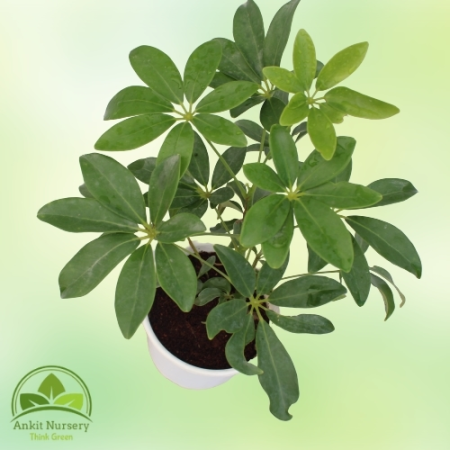
The Schefflera plant, often referred to as the Umbrella Tree or Schefflera arboricola, is a...
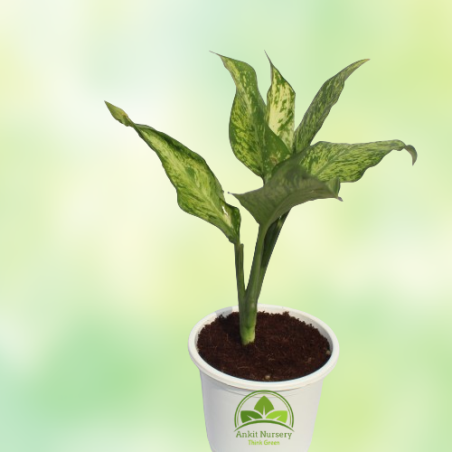
It appears you may be referring to the "Dieffenbachia" plant, often misspelled as "Dieffenbachia bachia." Dieffenbachia is a popular and attractive houseplant known for its lush foliage. Dieffenbachia prefers bright, indirect light but can tolerate lower light conditions. Avoid direct sunlight, as it can scorch the leaves.
Keep the soil consistently moist but not waterlogged. Water the plant when the top inch of soil feels dry to the touch, and allow any excess water to drain away. Avoid letting the soil dry out completely between waterings. Use well-draining potting soil. A mix formulated for houseplants or tropical plants works well. Ensure the pot has drainage holes to prevent water from accumulating at the roots.